Nana: Punk, Romance, and Runway Influence
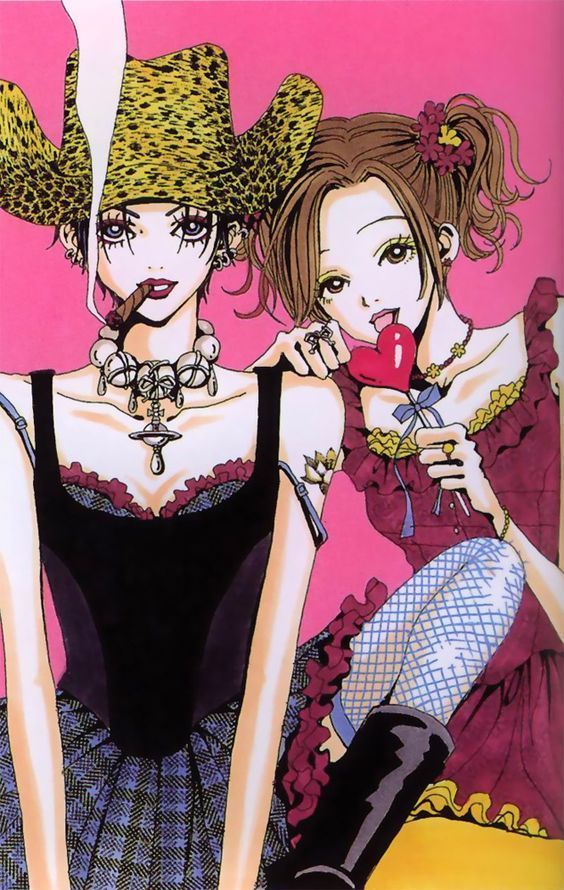
If you’re interested in fashion, then I couldn’t recommend Ai Yazawa’s work enough. Her most notable series, Nana (which is also one of my all time favourite anime), is heavily influenced by Vivienne Westwood’s punk aesthetic. Nearly every character wears something by the designer, even if it’s as small as a pair of earrings, but it’s Nana Osaki whose style truly embodies the brand.
The series follows the journeys of Nana Osaki and Nana Komatsu as they navigate friendship, complex relationships and personal growth, against the vibrant backdrop of the music and fashion scenes. It’s a rich, multi-layered story that doesn’t shy away from mature themes and is stylish as it is heartfelt.
Given that Ai Yazawa studied fashion design before dropping out to become a manga artist, it’s no surprise that her works draw heavily from both Japanese and Western fashion subcultures. That background also informs her storytelling, especially when it comes to romance, as she excels at writing characters who are wonderfully complex and multi-layered.

Paradise Kiss: Fashion as Escape and Self-Discovery
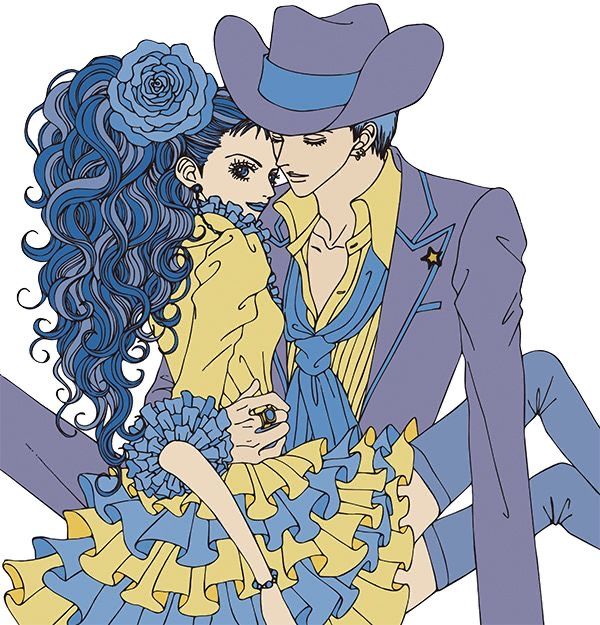
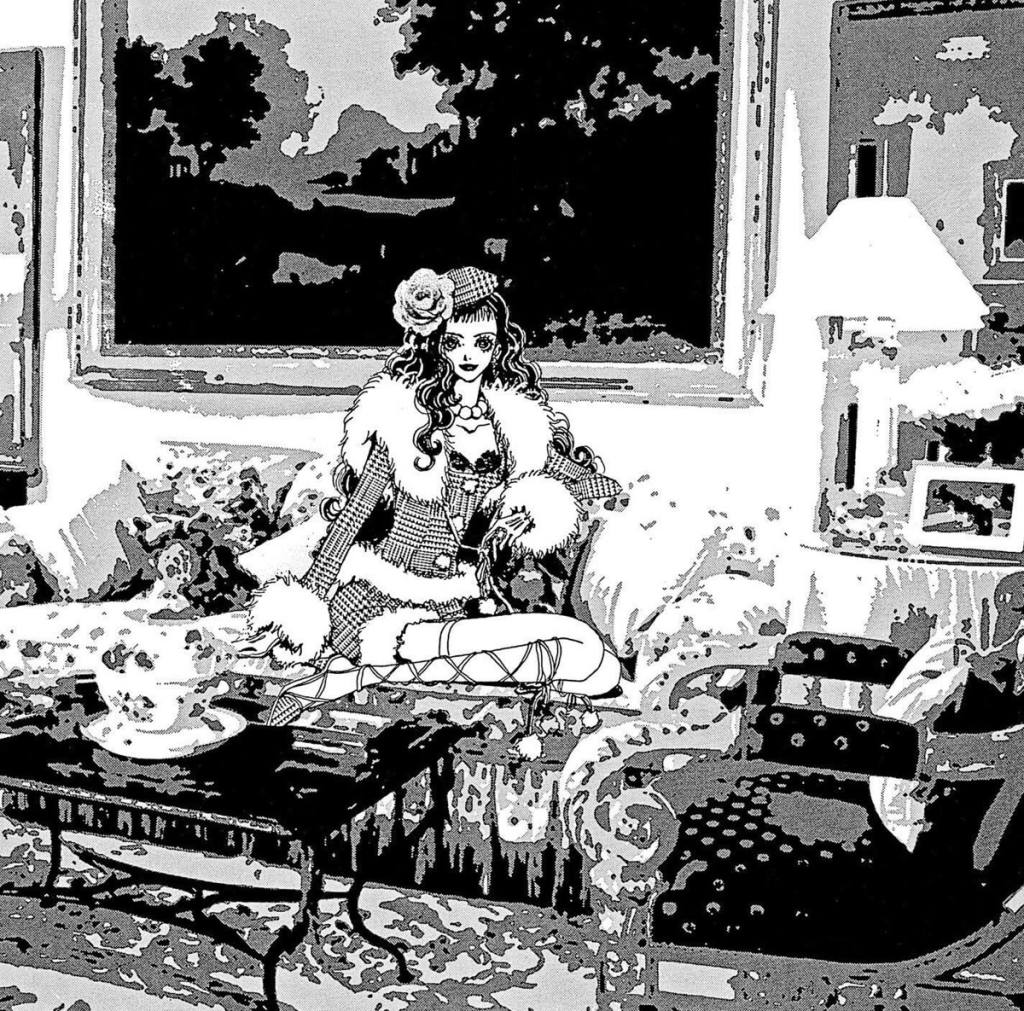
Paradise Kiss—another standout work by Ai Yazawa—uses fashion as a form of escapism and self-discovery. The story follows Yukari Hayasaka, a high school senior overwhelmed by the pressure of college entrance exams. Suddenly drawn into the circle of eccentric aspiring fashion designers behind the brand Paradise Kiss, Yukari begins to explore who she is outside of academic expectations, finding her confidence and identity through fashion.
The manga blends complex romance, creativity, and emotional growth, showing how style can become a path to self-expression and personal freedom.
Princess Jellyfish: Empowerment Through Style
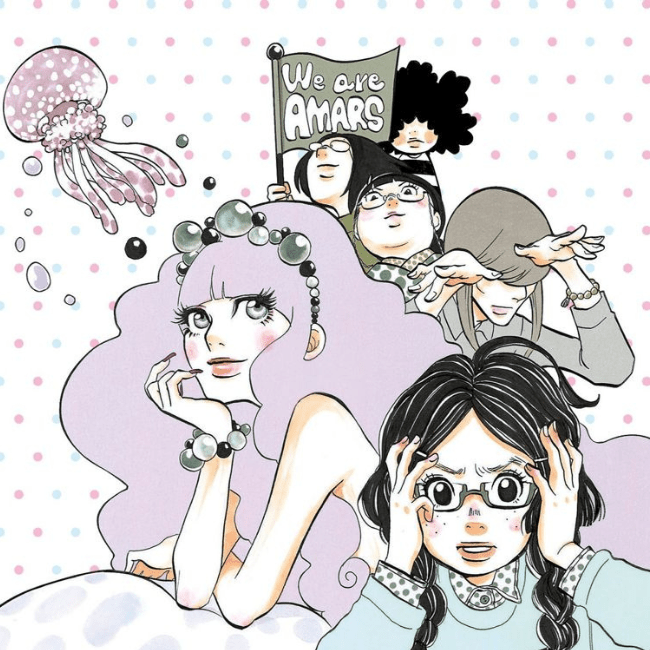
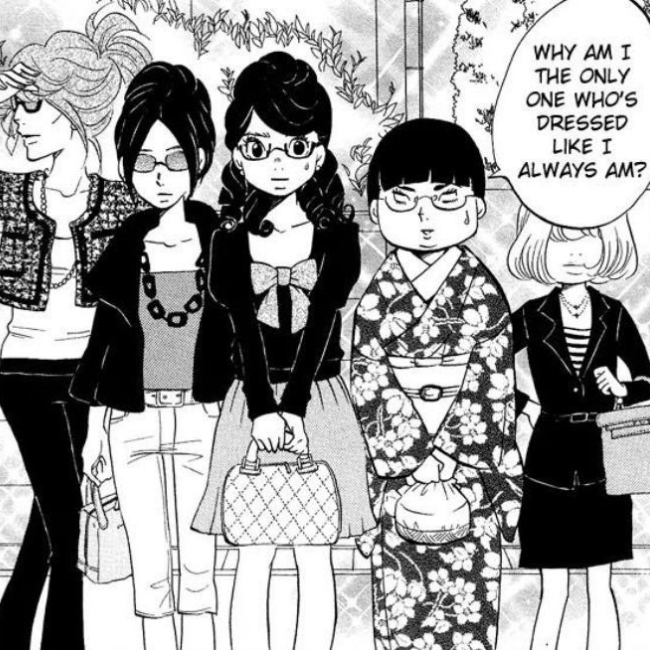
Similarly, Princess Jellyfish by Akiko Higashimura (another one of my all-time favourites) uses fashion as a form of empowerment. It centers on Tsukimi Kurashita, a shy, jellyfish-obsessed illustrator who lives among other otaku women in a women-only apartment building. Her world shifts when she meets Kuranosuke Koibuchi, a stylish cross-dresser who encourages the residents to use fashion as their armor when their home comes under threat, helping them be seen and heard in a world that often overlooks them.
With its blend of humour, understated romance, and real-world designer references like the iconic Hermès Birkin bag, Princess Jellyfish beautifully explores self-expression, identity, and transformation through the lens of fashion.
Sailor Moon: Where Magic Meets Couture
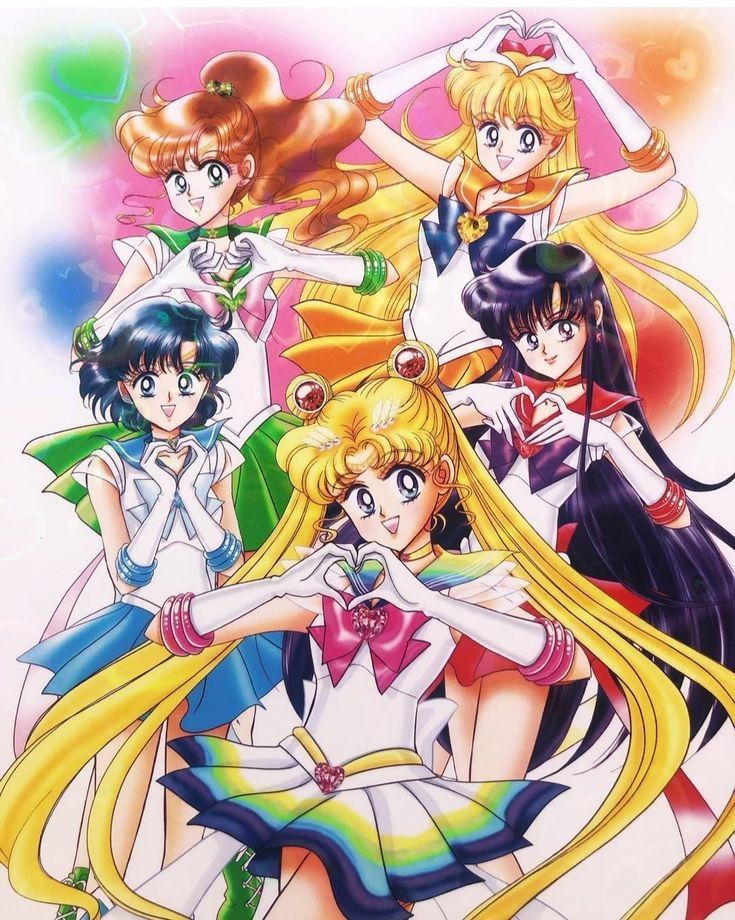
Another series that I can’t leave out (one that holds a special place in my heart) is Sailor Moon. The nostalgic ’90s series, which quickly became a global cultural phenomenon, was created by Naoko Takeuchi and follows Usagi Tsukino, an ordinary teenager who discovers she’s the reincarnation of the Moon Princess. Alongside her fellow Sailor Guardians, she’s destined to protect the world from dark forces, all while serving some of the most iconic looks that blend haute couture with magic-girl elements.
The Sailor Guardians’ uniforms are another instantly recognisable element of the series and a testament to Takeuchi’s fashion sensibilities. Their sailor-collar dresses, flowing ribbons, gloves, and jewellery aren’t just iconic costumes—they’re symbols of transformation and empowerment that reinforce the Guardians’ roles as protectors of justice and love.
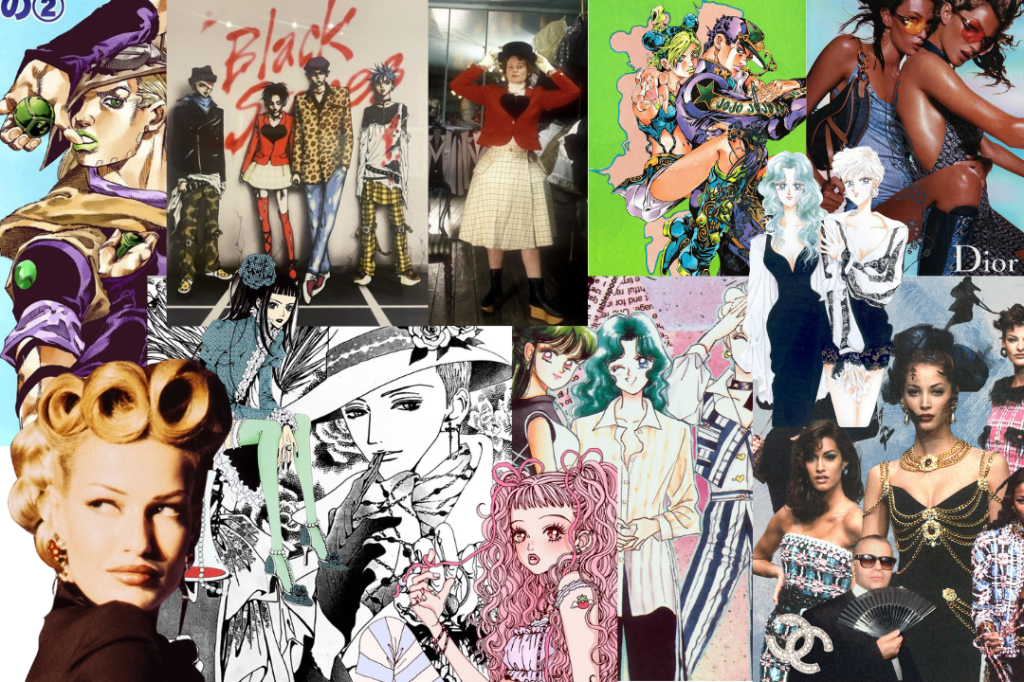
Takeuchi drew inspiration from seasonal runway collections by designers like Chanel, Dior, and Mugler. The most notable is Sailor Pluto’s gown, inspired by a Chanel haute couture spring/summer 1992 look that was first worn by Christy Turlington. By using fashion as a language of identity, elegance and strength that deeply resonates with audiences, Takeuchi’s storytelling bridges the gap between fantasy and reality.

JoJo’s Bizarre Adventure: High Fashion and Hyper-Style
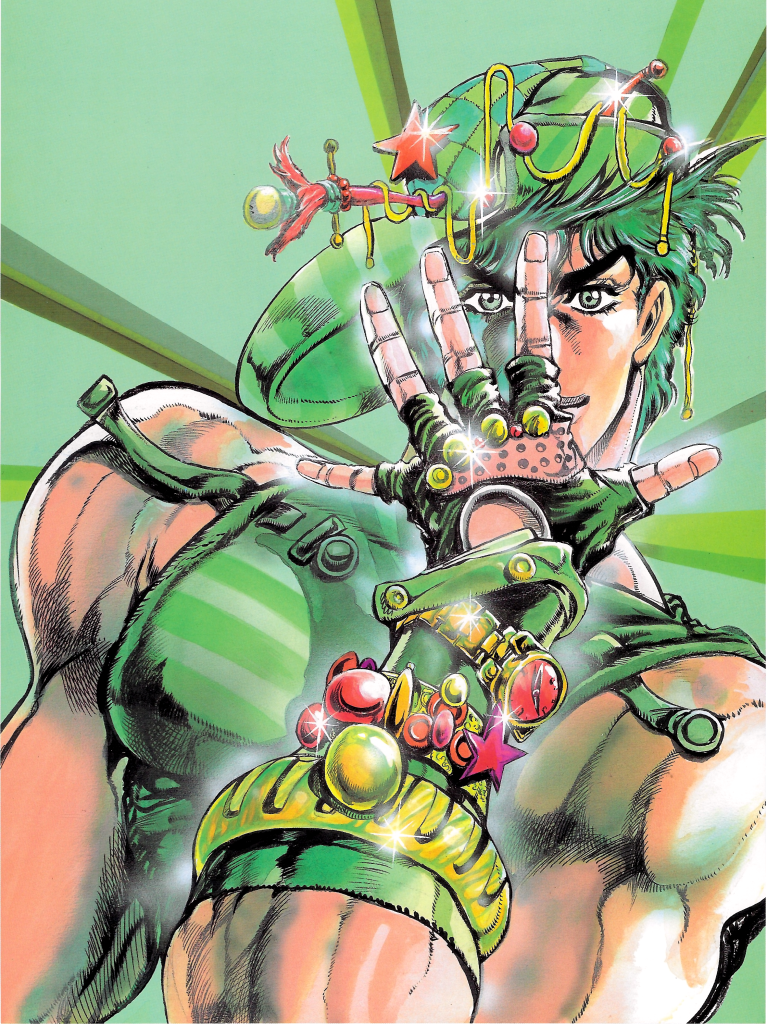
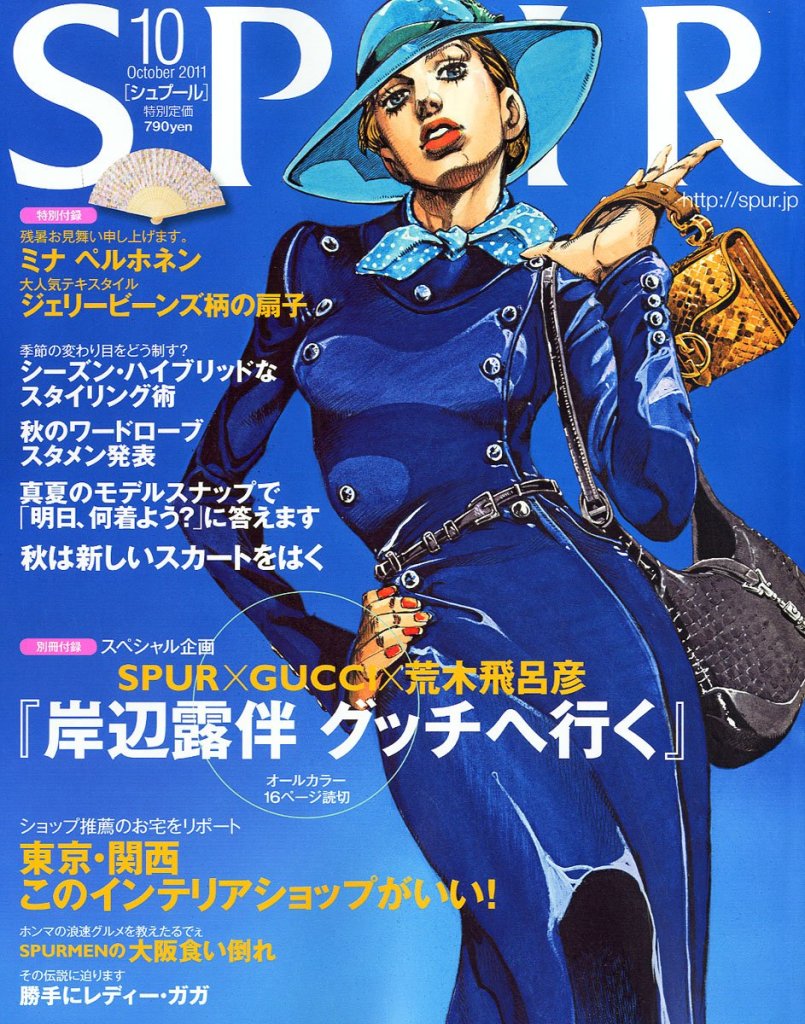
Lastly, JoJo’s Bizarre Adventure by Hirohiko Araki is iconic for its pop-culture references, dynamic character designs and bold clothing, all enhanced by avant-garde ‘JoJo poses’ that echo high-fashion editorials. The long-running series follows the Joestar family across generations as they fight supernatural foes, captivating readers with its intricate worldbuilding, unique power systems and distinctive art style.
Across its many arcs, you’ll see a fusion of European designers such as Versace, Moschino, and Missoni with the work of illustrators like Antonio Lopez and Tony Viramontes woven into its characters. This influence led to various brand collaborations, most notably the Gucci x Hirohiko Araki x Spur collab. Once again, using fashion as a visual language of individuality and self-expression, Araki shows how characters can be both unapologetically stylish and undeniably badass.
© Hirohiko Araki
 rhonart
Leave a comment